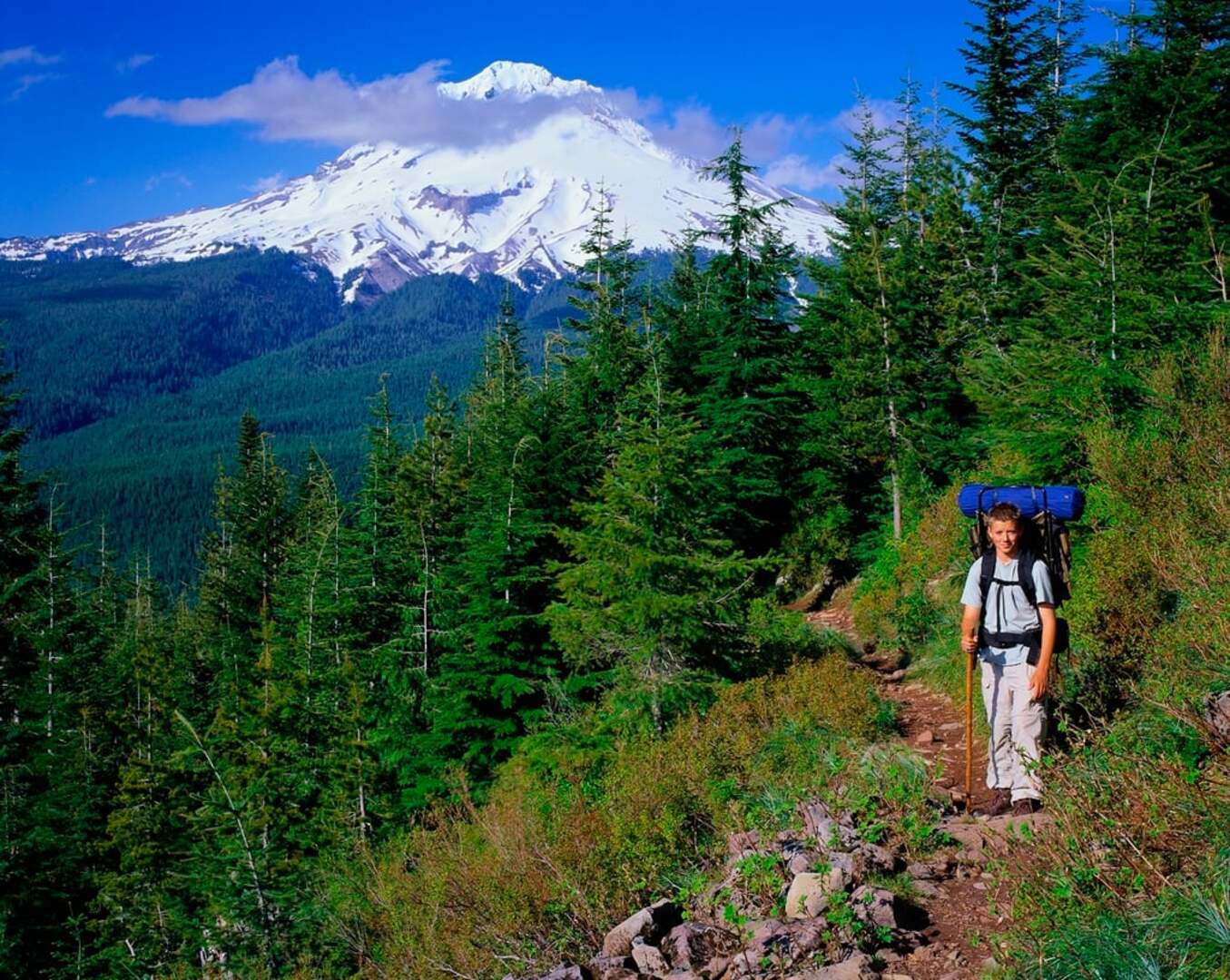
Plan Your Mount Hood Hike
Discover the breathtaking alpine scenery, wildflower meadows, and iconic trails of Oregon’s tallest peak.

Discover the breathtaking alpine scenery, wildflower meadows, and iconic trails of Oregon’s tallest peak.
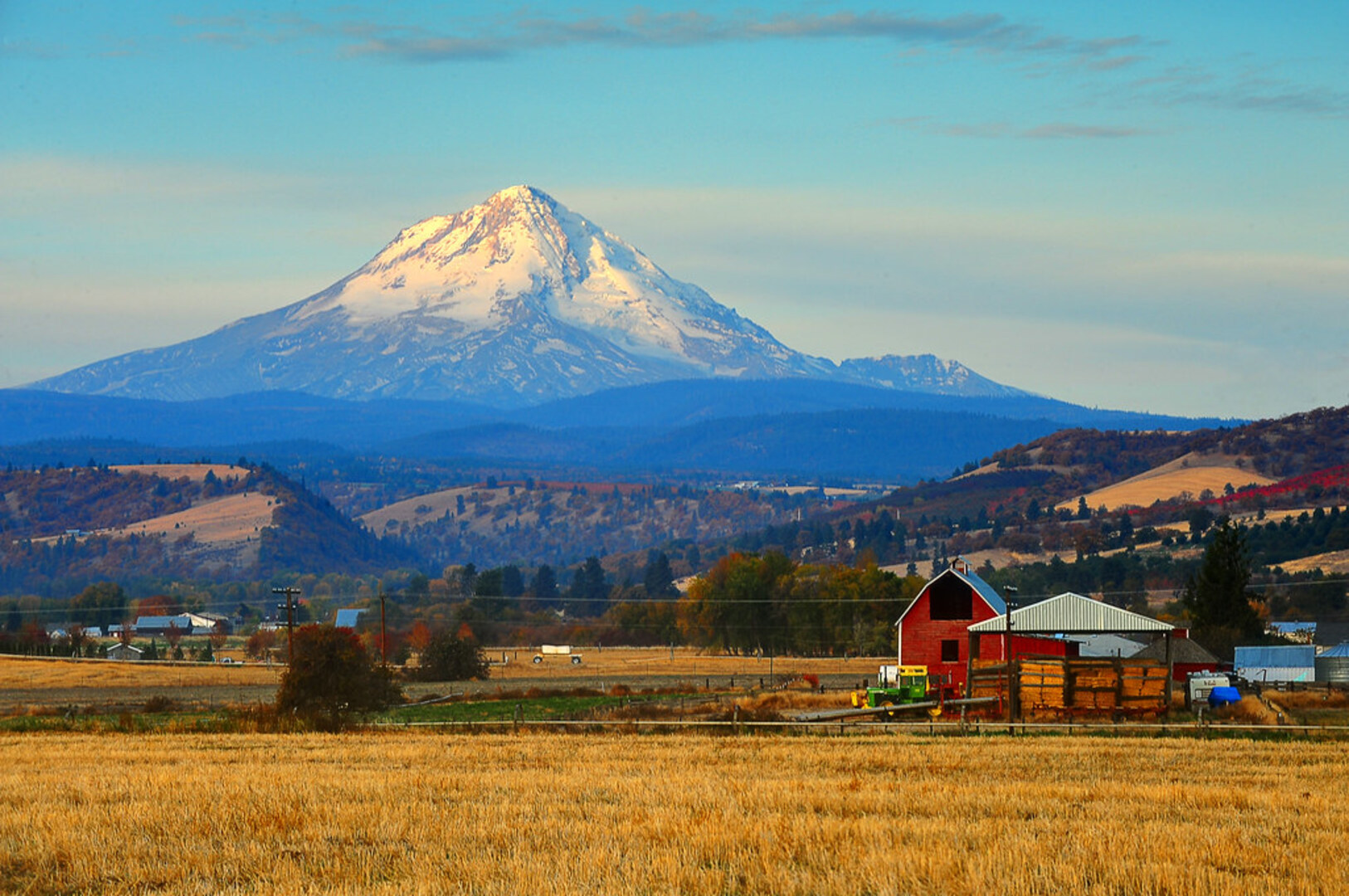
Plan access and guided options for Mount Hood. Use the official park or climb site for permits, fees, and safety rules. Use a trusted partner for guided hikes, transfers, and day tours with mobile tickets. Confirm altitude, weather, and inclusions before you book.

Best for Mount Hood National Forest trailheads, passes, and conditions.
Useful for guided hikes, transfers, glacier or cable-car packages, and flexible cancellation on many GetYourGuide listings.
Choose the official site for permits and park rules. Choose a partner tour when you want logistics handled (pickup, guide, timed entry) on a short trip.
Hand-picked Mount Hood hikes and day tours on GetYourGuide. Prices and availability update on the partner site; confirm altitude, duration, and inclusions before you book.


8 hours • Columbia River Gorge waterfalls • Timberline Lodge on Mount Hood

8-8.5 hours • Multnomah Falls • Hood River lunch & winery • Mount Hood viewpoints
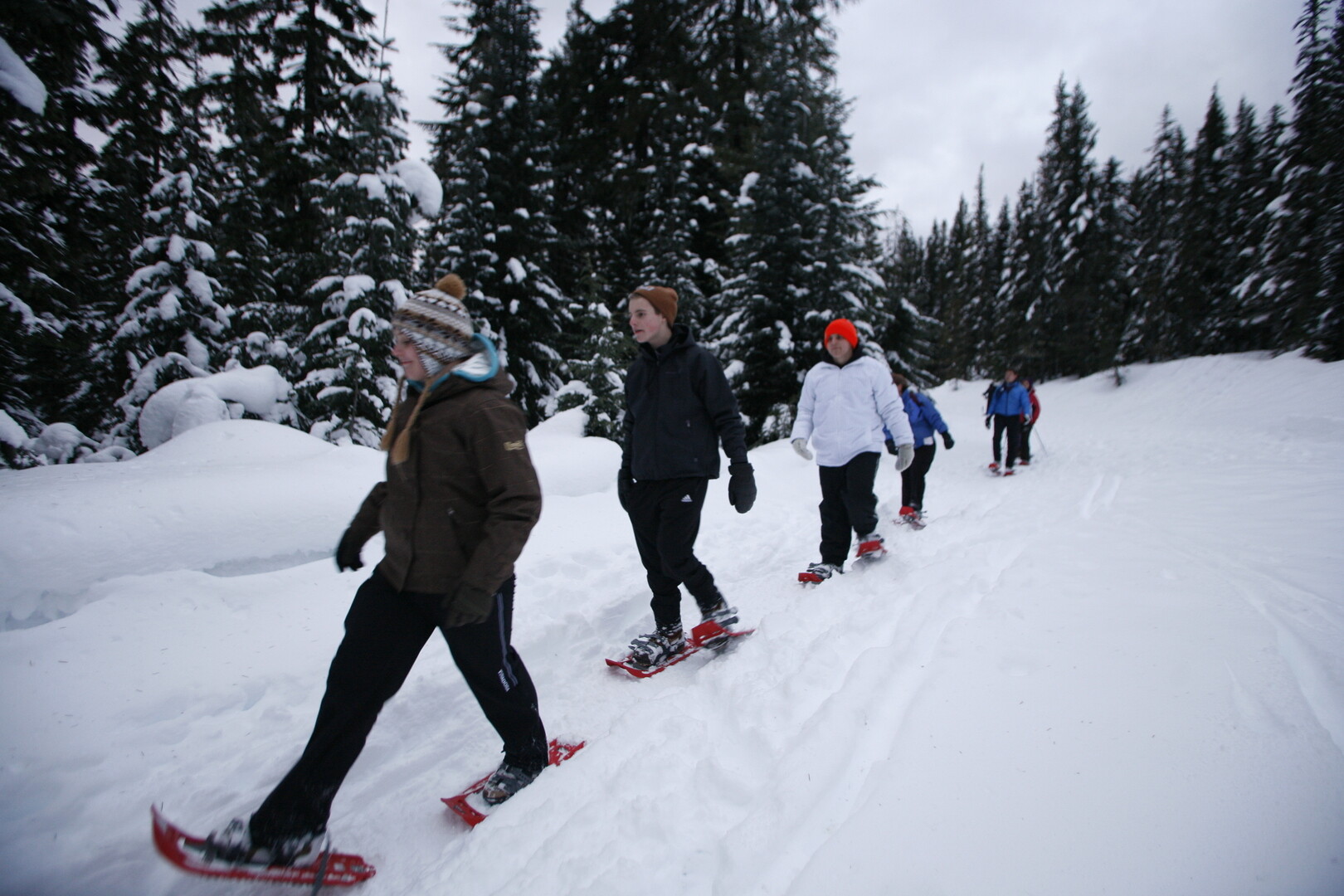
7 hours • guided snowshoe tour • hot mountain lunch • small group


Marvel at the snow-capped summit of Mount Hood, the most prominent mountain in Oregon and a symbol of the Pacific Northwest.
Wander through wildflower meadows, old-growth forests, and lush valleys surrounding Mount Hood in every season.
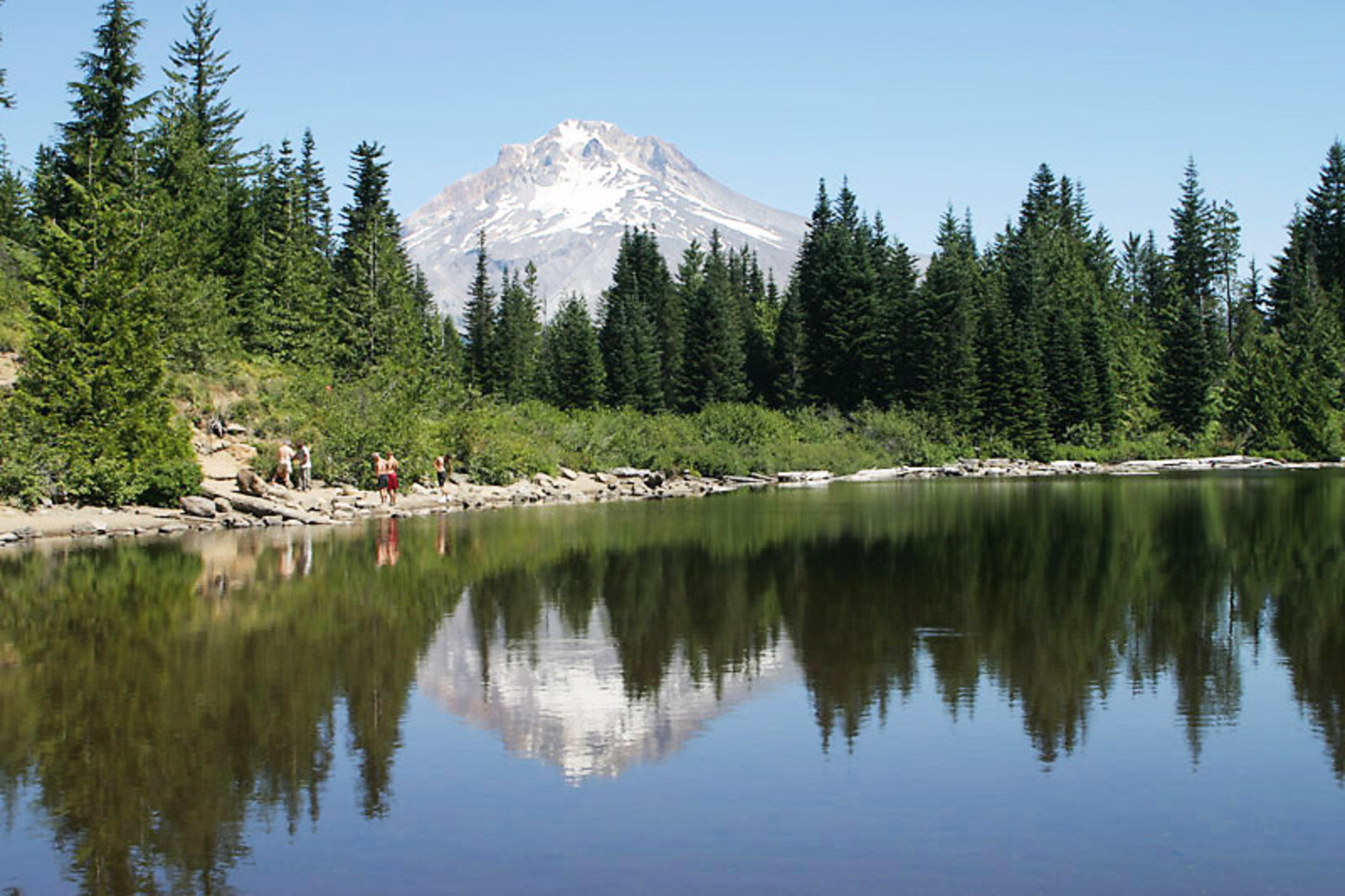
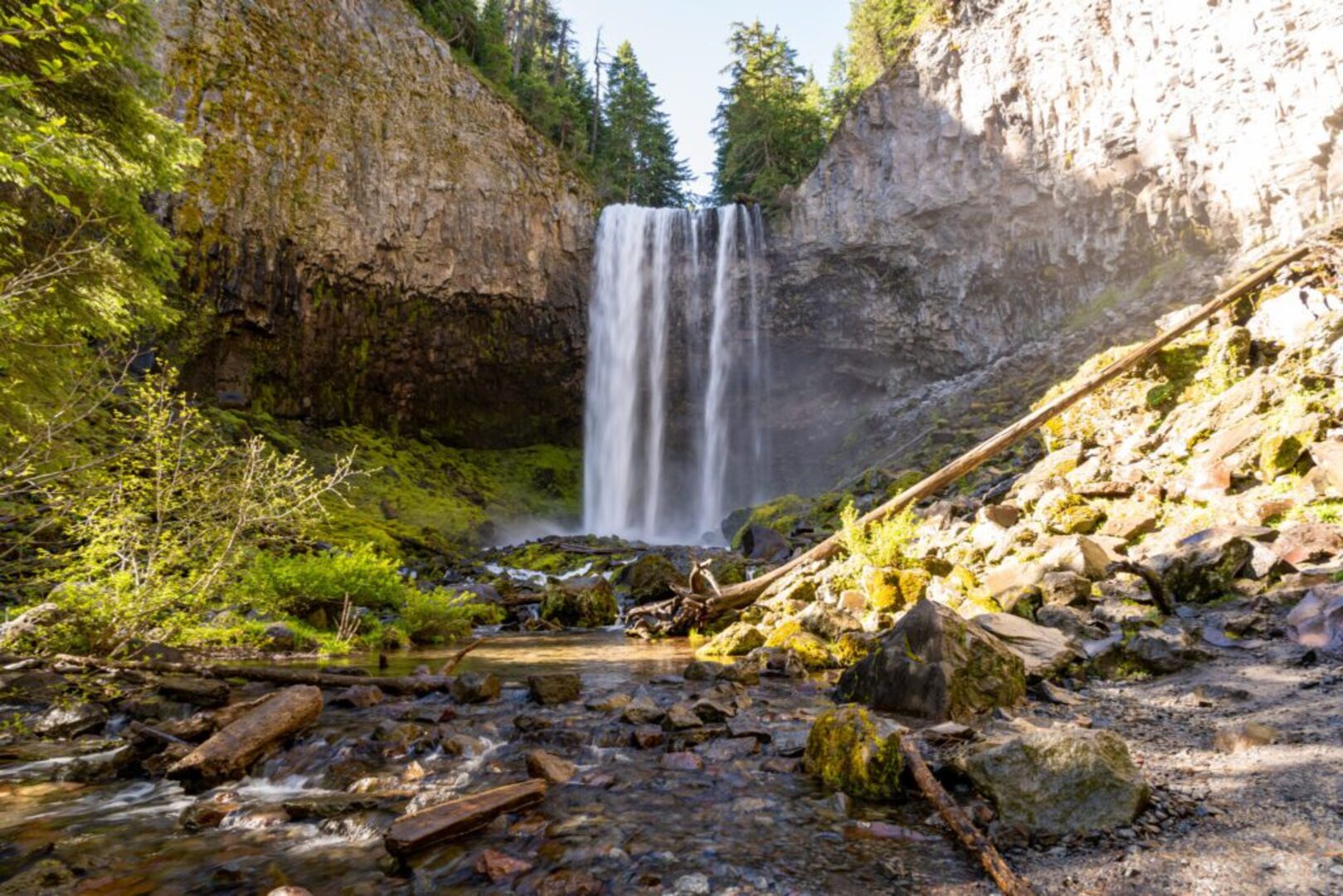
Visit spectacular waterfalls like Tamanawas Falls, explore alpine lakes such as Mirror Lake, and enjoy the rivers that flow from the mountain.
Mountain weather around Mount Hood changes quickly. Check a local forecast the morning you hike and turn around if conditions drop.
Long approaches and busy viewpoints are safer and quieter with a dawn start.
Boots, layers, waterproofs, water, food, sun protection, and navigation, even on short valley walks.
Conditions change. Confirm trail status, weather, and access rules on fs.usda.gov/mthood before you go.
A highlight of hiking around Mount Hood.
A highlight of hiking around Mount Hood.
A highlight of hiking around Mount Hood.
8 hours • Columbia River Gorge waterfalls • Timberline Lodge on Mount Hood
8-8.5 hours • Multnomah Falls • Hood River lunch & winery • Mount Hood viewpoints
National Historic Landmark lodge • year-round skiing • classic Mount Hood views
Guided hikes • scenic viewpoints • rivers and lakes throughout the forest
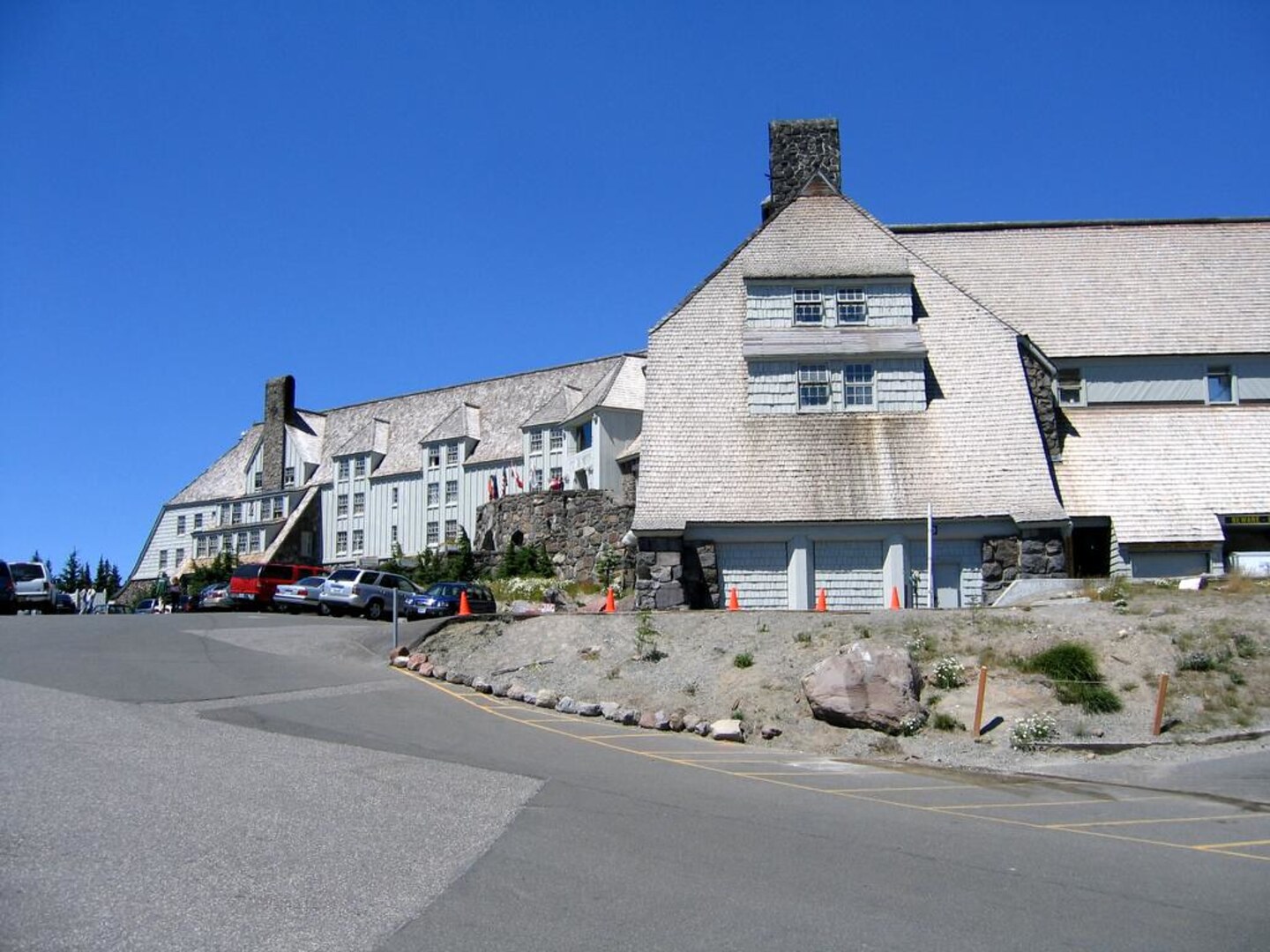
National Historic Landmark lodge • year-round skiing • classic Mount Hood views
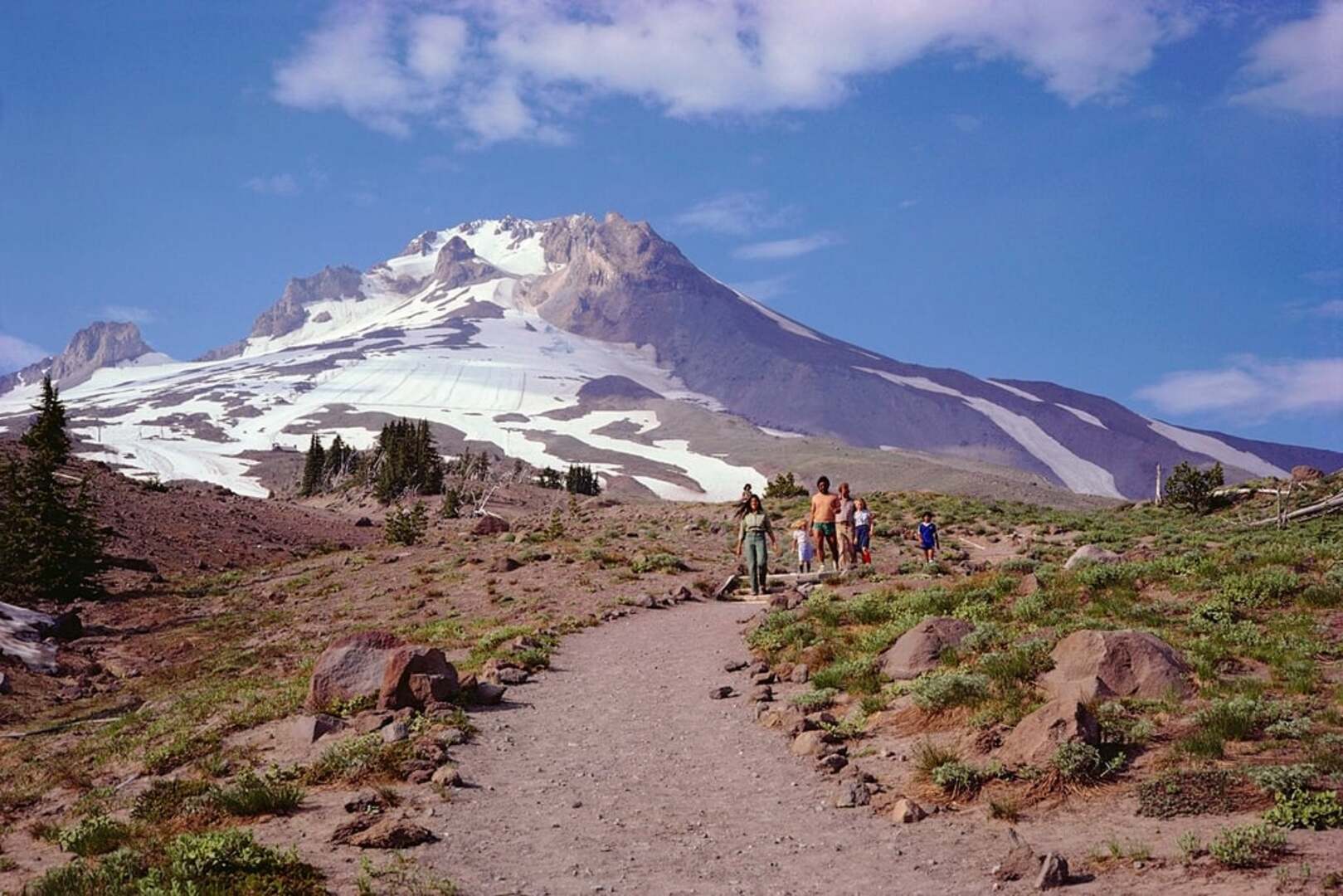
Guided hikes • scenic viewpoints • rivers and lakes throughout the forest
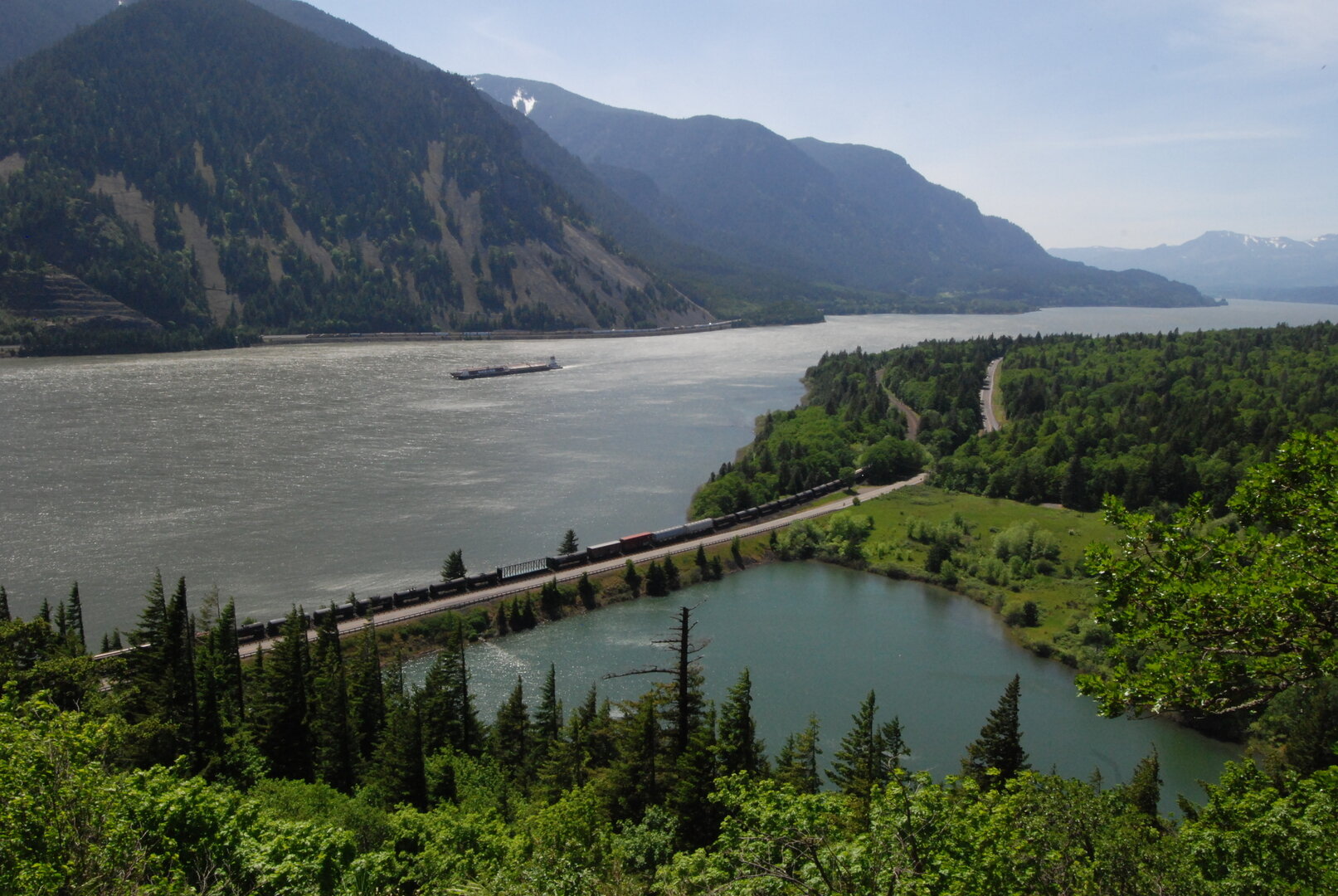
Waterfall corridor • panoramic river viewpoints • classic scenic drives
What should I wear for hiking at Mount Hood?
Wear sturdy hiking boots, warm layers, and waterproof clothing. Weather can change quickly, especially at higher elevations.
Are the trails family friendly?
Yes. Many trails like Mirror Lake and Tamanawas Falls are suitable for families. Some routes, like the Timberline Trail, are for experienced hikers only.
Are there fees to enter?
Most trailheads require a Northwest Forest Pass or day-use fee. Check trailhead signage and the U.S. Forest Service website for current details.
When is the best time to visit?
Summer (July-September) offers the best hiking conditions. Winter brings snow and skiing opportunities, but some trails may be inaccessible.
Can I photograph the mountain?
Absolutely. Mount Hood is one of the most photographed peaks in the Pacific Northwest. Please stay on trails and respect natural areas.
Is the park accessible?
Some visitor centers and short paved trails are accessible. Contact the U.S. Forest Service for current accessibility information.
Mount Hood is a dormant stratovolcano and the highest peak in Oregon, rising to 3,429 meters above the surrounding forests and river valleys. The mountain is sacred to local Native American tribes and today is a hub for hiking, climbing, skiing, and year-round recreation across more than a million acres of national forest.